


The pet care information presented on this page reflects the professional oversight of Jenn Felty and the experienced team at Greenlin Pet Resorts. It is provided for informational purposes only and does not replace guidance from your veterinarian or a certified dog trainer.
At Greenlin Pet Resorts, we strive to ensure the information presented here is timely and accurate based on our hands-on experience caring for thousands of dogs across our six Central PA locations. For care advice specific to your pet, please contact our team directly or consult your veterinarian.
Why Does My Dog Lick Me? What All That Licking Really Means
Quick Summary: Why Does My Dog Lick Me? What All That Licking Really Means
- Dogs lick to show affection, communicate needs, explore scents, and reinforce social bonds.
- Taste and scent often explain licking after meals, exercise, or skincare products.
- Feet, hands, and faces attract licking for different sensory and social reasons.
- Excessive or compulsive licking may reflect boredom, anxiety, irritation, or discomfort.
- Context and dog body language help distinguish normal affection from stress signals.
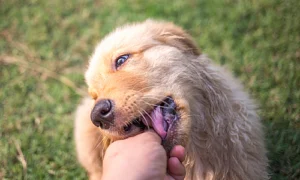 Context matters, like when, where, and how often your dog licks can reveal what the behavior means. Whether your dog greets you with enthusiastic kisses, licks your fingers after dinner, or targets your feet, it is natural to wonder: why do dogs lick you so much?
Licking is a normal part of canine behavior and can signal affection, curiosity, stress, or a request for attention. Drawing on decades of hands-on experience with dogs in Central Pennsylvania, Greenlin Pet Resorts has seen how different licking patterns can reflect different needs. Learning to read those signals can make your dog’s behavior easier to understand.
Reading the Signals: Why Do Dogs Lick You in the First Place?
Long before licking became a greeting for us, it was a survival skill. Puppies are licked clean by their mothers from birth, and they quickly learn to lick back, nudging at their mother’s mouth to prompt feeding. That early grooming instinct never fully disappears; it simply gets redirected toward the humans a dog loves most.
Layered on top of that is pack bonding. Within a social group, dogs use licking to reinforce relationships and send a quiet way of communicating that “we’re okay, you and me.” So when your dog licks your hand, it is tapping into instincts thousands of years in the making. Understanding this side of canine behavior is the first step to reading any particular lick, and much of what looks like a quirky habit is actually instinctive behavior carried from puppyhood into adult life.
Why Do You Think Dogs Lick You?
Where your dog chooses to lick can offer useful clues about the behavior. Different parts of your body carry different taste and scent cues, while licking may also reflect affectionate behavior, attention-seeking behavior, or social connection. Looking at the location of the licking together with your dog’s mood and body language can help explain what may be driving it.
Feet
Why do dogs lick your feet so often? Feet collect sweat, salt, and strong scents from socks, shoes, floors, and everywhere you have been, making them especially interesting to a dog. Because dogs experience much of their world through smell and taste, licking your feet can simply be another way of gathering information.
For some dogs, repetitive foot licking may also feel soothing or become a familiar routine. If the behavior is relaxed and easy to interrupt, it is generally different from persistent licking accompanied by other stress signals in dogs.
Hands
Hands carry traces of food, soaps, lotions, objects, and other scents encountered throughout the day. That makes them an easy source of taste and scent information, especially after eating, cooking, or handling something interesting.
Hand licking can also be affectionate behavior or attention-seeking behavior. Because people often respond by petting, talking, or playing, dogs can quickly learn that licking a hand is an effective way to start an interaction.
Face
Face licking often has a stronger social component. It can reflect affection and pack bonding, while also echoing the early grooming instinct dogs develop through interactions with their mothers and littermates.
A relaxed dog offering a few gentle face licks may simply be greeting you or reinforcing a familiar bond. As with other forms of licking, the surrounding dog body language provides important context for understanding whether the behavior reflects comfort, excitement, or another need.
Why Does My Dog Lick Me So Much?
Occasional licking is a normal part of canine behavior, but frequent or hard-to-interrupt licking can mean something more. If you are wondering “Why does my dog lick me so much?”, consider when the behavior happens, what triggers it, and the surrounding dog body language. So, what does excessive dog licking mean? Common possibilities include:
- Affection or attention: Some dogs lick frequently as affectionate behavior or because they have learned that licking earns a response.
- Boredom: Dogs without enough exercise or mental stimulation may lick repeatedly as an outlet for unused energy.
- Anxiety or stress: Repetitive licking can appear alongside other stress signals in dogs, such as pacing, whining, panting, or tense body language.
- Skin irritation or discomfort: Allergies, irritation, or pain may contribute to sudden licking. A veterinarian can help rule out possible medical causes.
- A repeated habit: What begins as occasional licking can develop into compulsive licking, especially when the behavior becomes difficult to interrupt.
When boredom or anxiety appears to play a role, structured exercise, enrichment, consistent routines, and professional dog training programs may help redirect the behavior without punishing the dog. Sudden, obsessive, or persistent licking, especially when paired with skin changes or changes in appetite, energy, or mood, should be discussed with a veterinarian.
Is Dog Licking a Sign of Affection?
Ask most owners whether licking means love, and they are often right. Is a dog licking a sign of affection? In many cases, yes. Licking is a common form of affectionate behavior in dogs. This is their way to greet familiar people, seek closeness, and reinforce social connections.
This behavior can trace back to early canine behavior, when puppies lick their mothers and littermates as part of grooming and social interaction. As dogs mature, that grooming instinct and pack bonding behavior can carry over into their relationships with people. A relaxed dog that settles beside you and offers gentle licks may simply be expressing comfort and connection.
There may also be a biological reason licking feels rewarding. Licking a familiar person is thought to release feel-good endorphins, which may help explain why some dogs repeat the behavior when they are relaxed. So is dog licking a sign of affection or simply a habit? Often, it is both, a learned behavior that also supports bonding and feels rewarding to the dog.
The Salty Truth: Taste, Scent, and Those Post-Dinner Licks
Not every lick is about affection. Dogs rely heavily on taste and scent to explore their surroundings, and your skin can carry salt, sweat, food residue, lotions, and other smells that catch their attention. What seems like a loving lick may sometimes be your dog investigating something interesting.
- After meals: If your dog licks me after I eat sounds familiar, lingering food scents and tiny traces on your lips, hands, or fingers are often the reason. Dogs may simply be checking out what you recently ate.
- After exercise: Sweat leaves salt and stronger scents on your skin, making your hands, arms, or face especially interesting after a workout.
- After lotion or sunscreen: New fragrances and flavors can attract your dog’s attention. Because some skincare products are not meant to be ingested, it is best to discourage licking freshly applied products.
How Dogs Ask for What They Want
Dogs quickly learn that licking gets a response, making it a natural part of how they interact with people. A lick may lead to petting, play, eye contact, or conversation, which can reinforce the behavior over time. Looking at the surrounding dog body language helps distinguish a simple request for attention from signs that a dog may need more stimulation.
Attention-Seeking
Licking can become attention-seeking behavior when it consistently earns petting, play, or another reaction. Dogs that are bored or under-stimulated may lick more persistently as a way to gain engagement.
Communication
A relaxed, wiggly dog may lick as a friendly greeting or invitation to play, while pacing, whining, or repeated licking can suggest restlessness. Structured activity and social interaction, including daily dog daycare programs, may provide company and exercise for dogs that need more stimulation.
The key is to look beyond the lick itself. When licking is paired with relaxed dog body language, it is often simple communication, while persistent licking alongside restless behavior may point to boredom or an unmet need for activity.
Do Dogs Lick to Show Dominance?
The idea that licking is a display of status has persisted for years, but do dogs lick to show dominance? In most situations, no. Licking is more commonly tied to affection, social connection, or appeasement than an attempt to control another dog or person.
Within normal canine behavior, a gentle lick may function as one of several calming signals. A dog might lick during a greeting, after a tense moment, or when seeking reassurance, essentially communicating that it poses no threat. Looking at the surrounding dog body language, such as a relaxed posture, soft expression, or lowered body, can provide more context than the licking alone.
Licking can also reflect pack bonding and familiar social habits carried from puppyhood into adulthood. Rather than viewing every lick as a power play, it is usually more accurate to consider the dog’s mood, environment, and other behaviors. In most cases, licking is about maintaining connection or easing social tension, not establishing dominance.
Knowing When to Bring in a Professional
Sudden or compulsive licking, raw skin, or changes in appetite, energy, or mood may warrant a veterinarian’s attention to rule out allergies, pain, or other health concerns.
When licking is behavioral, boredom and anxiety can produce different stress signals in dogs. The ASPCA discusses common signs when recognizing anxiety in dogs, while Jenn Felty and the Greenlin team’s hands-on experience show how structured exercise, enrichment, and consistent routines may help redirect unwanted licking.
Central Pennsylvania Dog Owners FAQ
Is it safe to let my dog lick my face, or should I discourage it?
For most healthy adults, the occasional face lick is harmless, our immune systems handle a dog’s everyday bacteria without much trouble. The real question is less about danger and more about boundaries. Households with infants, elderly relatives, or anyone immunocompromised may want to steer licks toward hands instead, and a dog that just raided the trash or dug through the yard earns a gentle “not right now.” Discouraging face licking does not reject your dog; teaching a “kiss the hand” alternative keeps the affection flowing while keeping everyone comfortable.
Why does my dog only lick me and not anyone else in the house?
This one flatters and frustrates in equal measure. Often it comes down to chemistry, you may simply taste saltier, or wear lotions and products your dog finds fascinating. Just as often it is relational: the person who feeds, walks, or comforts the dog usually becomes the licking favorite, because that is who the dog most associates with reassurance. It rarely means your dog dislikes everyone else. It usually means you are the human it has bonded to most deeply, for better or worse.
How can I tell if my dog’s licking is normal affection or a sign of anxiety?
Watch the pattern, not the single moment. Affectionate licking is loose, occasional, and easy to interrupt, your dog licks, gets a response, and moves on happily. Anxiety-driven licking is repetitive, tough to stop, and tends to travel with other tells like pacing, panting, or a tense body, especially around stressful triggers such as being left alone. A useful rule of thumb: affection has an off switch, while anxiety usually does not. If you cannot find that off switch, it is a fair signal to check in with a professional.
Give Your Dog More Ways to Connect With a Little Help From Greenlin
At the end of the day, most licking is your dog reaching out, for connection, for information, for a little reassurance that you are still their person. When that need for engagement outpaces what a busy household can offer, more activity and structure usually go a long way. That is the space Greenlin Pet Resorts has worked in across Central Pennsylvania since 2002, with a team that has spent decades getting to know dogs of every temperament.
If your dog seems like it could use more company, exercise, or gentle guidance, exploring daycare or training options is a friendly next step rather than a last resort. We’re here to help, you can reach us online or call (717) 388-8110. Jenn Felty and the Greenlin crew are always glad to talk through what a more enriching daily routine might look like for your particular dog. No pressure, just people who genuinely love this stuff.