


The pet care information presented on this page reflects the professional oversight of Jenn Felty and the experienced team at Greenlin Pet Resorts. It is provided for informational purposes only and does not replace guidance from your veterinarian or a certified dog trainer.
At Greenlin Pet Resorts, we strive to ensure the information presented here is timely and accurate based on our hands-on experience caring for thousands of dogs across our six Central PA locations. For care advice specific to your pet, please contact our team directly or consult your veterinarian.
How to Remove Mats and Tangles from Your Dog’s Fur Safely
Quick Summary:
- Regular brushing is the most effective way to prevent dog fur from matting.
- Always apply detangling spray before attempting to remove any mat.
- Work from the tips of the fur down toward the skin, never the reverse.
- Scissors should only be used carefully for small mats that resist brushing.
- Bathing a matted dog worsens tangles and should always be done after dematting.
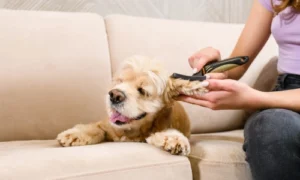 There is nothing quite like running your fingers through your dog’s soft, fluffy coat, but that beautiful fur comes with a common and frustrating challenge: matting. Mats and tangles can sneak up on even the most attentive pet owners, turning a gorgeous coat into a painful, knotted mess that causes real discomfort for your pup.
The good news is that you can tackle most mats safely at home with the right tools and a little patience. At Greenlin Pet Resorts, we believe every dog deserves to feel comfortable and cared for, and that starts with knowing exactly what to do when tangles strike.
Why Does Dog Fur Get Matted?
Matting happens when loose or dead hairs twist around healthy strands and clump together over time. It is especially common in dogs with long, curly, or double-layered coats, but any dog can develop mats if their grooming routine slips. Here are the most common culprits:
- Infrequent Brushing: Skipping regular brushing sessions allows loose hairs to build up and tangle. The longer you wait between brushes, the tighter and harder those knots become to remove.
- Moisture Without Drying: Bathing, swimming, or playing in the rain can cause fur to clump as it dries. Always dry and brush your dog’s coat thoroughly after any water activity to prevent mats from forming.
- Friction from Accessories: Collars, harnesses, and sweaters constantly rub against your dog’s fur. These high-contact areas are prime spots for tangles, so check them regularly during your grooming routine.
- Seasonal Shedding: When dogs shed their undercoat, dead hair can get trapped in the outer coat instead of falling away. This trapped hair quickly becomes tangled and forms stubborn mats if left unbrushed.
- Coat Type: Breeds like Doodles, Poodles, Shih Tzus, and Cocker Spaniels are especially prone to matting due to their curly or silky textures. These coat types require more frequent brushing than short-haired breeds.
Tools You Need Before You Start Dematting Your Dog
Before you tackle any mat or tangle, make sure you have the right tools on hand, because using the wrong brush or comb can pull your dog’s skin and make the experience stressful for both of you.
The American Kennel Club recommends choosing tools based on your dog’s specific coat type, since different textures need different approaches. Here is what you will need:
- Slicker Brush: This works best on medium to long coats like those of Golden Retrievers, Shih Tzus, and Doodles, gently working through knots without pulling too hard on the skin.
- Pin Brush: Designed with long, round-ended stainless-steel or chrome-plated pins, this brush is ideal for longhaired breeds that need gentle daily detangling without breaking the coat.
- Bristle Brush: This is the right choice for short, medium, and some long-coated breeds, helping distribute natural oils while keeping the coat smooth and free of surface tangles.
- Wide-Tooth Comb: Use this after brushing to catch any remaining tangles, and it works especially well on thick, dense, or double-layered coats.
- Dematting Comb: Designed with serrated teeth that cut through stubborn mats, this tool is ideal for heavily matted or thick-coated breeds such as Huskies, Collies, and Poodles.
- Detangling Spray: This works on all coat types, especially curly or wavy fur, softening mats and reducing friction to make the whole process more comfortable for your dog.
- Blunt-Tipped Scissors: Use these only for very small, isolated mats that will not budge with brushing, as the blunt tips help prevent accidental nicks on the skin.
6 Simple Steps to Safely Remove Mats and Tangles from Your Dog’s Fur
Taking a slow, calm approach is the key to successful dematting at home. Rushing through the process can cause pain, make your dog anxious, and damage the coat further. Work in a quiet space where your dog feels comfortable and keep treats nearby to reward good behavior throughout.
Step 1: Assess the Mat Before You Begin
Before you reach for any tool, take a moment to feel the mat with your fingers and gauge how serious it is. A small, loose tangle near the surface is very different from a tight, dense mat sitting close to the skin. This quick check helps you choose the right tool and avoid causing unnecessary pain to your dog.
Step 2: Apply a Detangling Spray
Spray a generous amount of dog-safe detangling solution directly onto the mat and let it soak in for a minute or two. This softens the tangled hairs and reduces friction so your tools can glide through more easily. Never skip this step, as it makes the entire dematting process significantly more comfortable for your dog.
Step 3: Loosen the Edges of the Mat First
Do not attack the center of the mat right away. Instead, use your fingers or a dematting comb to gently work around the outer edges, loosening the tangle from the outside in. Breaking down the edges first makes the core of the mat much easier to work through without pulling on your dog’s skin.
Step 4: Work from the Tips Down to the Root
Always start detangling at the very ends of the fur and gradually work your way toward the skin, never the other way around. Hold the base of the mat with your fingers to create a barrier between the tool and your dog’s skin, which prevents painful pulling. This tip-to-root technique gives you better control and loosens the mat layer by layer without ripping through it.
Step 5: Use Scissors Only When Necessary
If a section of the mat refuses to budge after thorough brushing and combing, blunt-tipped scissors can help, but use them with extreme caution. Slide a comb between the mat and the skin first to create a safe barrier before making any cut. Only cut small sections at a time and never point the scissors directly at the skin.
Step 6: Brush Through, Inspect, and Reward
Once the mat is fully removed, switch to your slicker brush and gently brush the entire area to smooth out the fur. Follow up with a wide-tooth comb to confirm all tangles are gone, and the coat lies completely flat. Finish by praising your dog and giving them a treat, because ending on a positive note helps them build a good association with grooming.
Common Mistakes to Avoid When Dematting Your Dog
Even well-meaning pet owners can accidentally make matting worse with the wrong technique or tool. Knowing what not to do is just as important as knowing the right steps.
- Brushing Dry Mats Without Spray: Skipping detangling spray creates more friction and pulls the skin, so always apply it first to soften the mat before you begin.
- Pulling from the Root: Starting at the root yanks the skin and causes sharp pain. Always work from the tip of the fur down toward the skin in small, gentle sections.
- Using Scissors Without Caution: Scissors are risky near tightly matted fur because it is difficult to see where the mat ends and the skin begins, which raises the chance of an accidental cut.
- Pushing Through Your Dog’s Discomfort: If your dog is whining or trying to move away, stop and take a break. Forcing the session damages trust and makes future grooming much harder.
- Bathing Before Dematting: Water causes mats to tighten and shrink, making them far harder to remove. Always demat completely before bathing your dog.
How to Prevent Mats Before They Start
The easiest mat to deal with is the one that never forms in the first place. A consistent grooming routine is the single best thing you can do to keep your dog’s coat healthy and mat-free. ASPCA notes that regular brushing every few days benefits dogs of all coat lengths, not just the long-haired breeds. A few simple habits can make a big difference for your pup’s comfort and coat health:
- Brush Regularly Based on Coat Type: Short-coated dogs typically need brushing once or twice a week, while long, curly, or double-coated breeds benefit from daily brushing. Building this into your routine prevents tangles from ever getting a chance to tighten.
- Dry and Brush After Water Activities: Towel-dry your dog thoroughly after baths, swimming, or playing in the rain, then follow up with a brush. Wet fur that dries without brushing is one of the fastest ways to create new mats.
- Pay Attention to High-Friction Areas: Spots like behind the ears, under the collar, in the armpits, and between the back legs are where mats most commonly form. Give these areas extra attention every time you brush.
- Schedule Regular Professional Grooming: Professional grooming appointments every 6 to 8 weeks help keep longer coats manageable and catch any problem areas before they become serious mats.
- Use a Leave-In Conditioner: A dog-safe leave-in conditioner or detangling spray applied after brushing helps keep the coat soft and slippery. This makes it much harder for tangles to take hold between grooming sessions.
When to Skip the DIY and See a Professional Groomer
While many mats are manageable at home, some situations call for a professional’s touch, and knowing when to step back is one of the kindest things you can do for your dog. Groomers have the right tools, training, and experience to handle severe matting safely without putting your pet through unnecessary stress.
If mats cover a large portion of your dog’s body, sit tightly against the skin, or have been left untreated for a while, skip the DIY and head straight to a groomer. Severe matting can hide skin irritation, sores, or parasites underneath, and a professional can spot these issues right away. If your dog becomes very anxious or resistant during at-home dematting, that is also a clear sign to let a professional take over.
Keep Your Dog’s Coat Healthy with Greenlin Pet Resorts
At Greenlin Pet Resorts, we know that a healthy coat means a happy dog, and we are here to help every step of the way. Our experienced team provides professional dog bathing and spa services designed to keep your pup’s coat clean, soft, and tangle-free.
Whether your dog needs a thorough bath, a blow-dry, or some extra attention on a tricky coat, we treat every guest with the same love and care we would give our own pets.
We proudly serve the Harrisburg area across six convenient locations, so quality pet care is never far away. Regular professional grooming visits combined with your at-home brushing routine give your dog the best chance at a mat-free, comfortable coat all year long.
Contact Greenlin Pet Resorts today to schedule a dog bathing appointment and give your pup the pampering they deserve.