


The pet care information presented on this page reflects the professional oversight of Jenn Felty and the experienced team at Greenlin Pet Resorts. It is provided for informational purposes only and does not replace guidance from your veterinarian or a certified dog trainer.
At Greenlin Pet Resorts, we strive to ensure the information presented here is timely and accurate based on our hands-on experience caring for thousands of dogs across our six Central PA locations. For care advice specific to your pet, please contact our team directly or consult your veterinarian.
Best Dog Pools and Water Play Ideas to Beat the Heat
Key Summary:
- Heavy-duty foldable PVC or hard molded pools are top choices for dogs to splash safely.
- Keep water levels at or below elbow height and supervise constantly to watch out for hazards.
- Introduce nervous dogs to an empty pool first before slowly adding lukewarm water over several days.
- Avoid pool chemicals that irritate skin and eyes; instead, drain shallow pools daily and scrub them weekly.
- Backyard splash zones are great for everyday enrichment, while supervised facilities offer climate-controlled alternatives.
Whether you have an energetic puppy ready to splash, a senior dog who needs low-impact joint relief, or a water-shy rescue who needs a gentle introduction, setting up a home water play area can be a game-changer. From choosing the best dog pool for your space to setting up low-cost interactive water games, here is a complete guide to helping your pup beat the heat safely this summer.
Choosing the Right Dog Pool for Your Pup
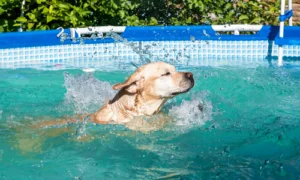 Over more than two decades of managing canine water play, Jenn Felty and the Greenlin team have observed that structural stability is the single biggest factor in whether a dog enjoys pool time. If a pool wobbles, collapses, or slides when a dog steps on the rim, hesitant dogs immediately lose confidence.
Choosing a rigid or well-anchored setup is key to a positive experience. When evaluating the best dog pool design for your yard, you will generally choose between two primary materials: PVC and molded plastic.
Foldable Dog Pool (PVC)
Built using thick, multi-layered PVC walls with internal structural boards, a foldable dog pool offers extreme convenience. It requires no inflation, pops up in seconds, and folds down neatly into a compact shape for off-season storage.
These pools feature textured, non-slip bottoms that prevent slip-and-fall injuries while your dog is leaping about. They work brilliantly for most dogs, though aggressive diggers or chewers may eventually wear down the side seams.
Hard Plastic Dog Pool
Molded from heavy-duty, high-density polyethylene, a hard plastic dog pool is virtually indestructible. If you have a powerful breed that loves to dig at the bottom of the water or bite at the pool edges, rigid plastic holds up best.
The downside? They are bulky to move, difficult to store during Pennsylvania winters, and lack built-in drain plugs, requiring you to manually tip them over to empty the water.
Sizing Guide: Finding the Perfect Fit
Selecting the correct dimensions ensures your dog can move comfortably without risk of tipping the walls.
| Dog Size / Weight |
Recommended Diameter |
Ideal Wall Height |
Best Pool Material |
|---|---|---|---|
| Small (Under 25 lbs) | 32 inches – 40 inches | 8 to 10 inches | Kiddie pool for dogs or soft composite |
| Medium (25 – 60 lbs) | 48 inches – 50 inches | 12 inches | Foldable composite or heavy plastic |
| Large/Giant (60+ lbs) | 63 inches to 70+ inches | 12 to 14 inches | Hard plastic dog pool or reinforced PVC |
DIY Backyard Water Play Setups
You don’t need an elaborate budget or a built-in pool to create a refreshing summer oasis. With a little creativity, everyday household items can transform your yard into an interactive splash zone.
Budget-Friendly Pool Ideas You Can Build at Home
To turn a standard plastic pool into a dog-safe play space:
- Add Traction: Standard smooth plastic becomes slippery when wet. Adhere non-slip rubber bath mats or marine-grade anti-skid tape to the inside bottom to give your dog solid footing.
- Shade the Area: Set up the pool beneath a shade tree or canopy. Direct sunlight rapidly heats shallow water, turning a refreshing dip into a warm bath.
- Create a Ramp: For smaller dogs or older pets with arthritis, stack sturdy patio pavers or a wide rubber step outside the edge so they can enter and exit without leaping over the rim.
Creative Splash Zones Using Everyday Items
- The Ice Block Treasure Hunt: Fill a large plastic food container with water, a splash of low-sodium chicken broth, and a few floating treats or rubber chew toys. Freeze it solid, pop the block out onto the grass, and let your dog lick, dig, and splash as the ice melts.
- Muffin-Tin Water Puzzle: Place tennis balls on top of a muffin tin filled with shallow water and peanut butter dollops at the bottom. Your dog has to nose the floating balls out of the way to get to the treat.
- Shallow Water Trays: For dogs intimidated by deep pools, fill a shallow baking sheet or plastic storage lid with half an inch of water and drop in small floating treats.
Helping Dogs Afraid of Water Build Confidence
Not every dog is a natural-born swimmer. While Labradors and Golden Retrievers might jump in without hesitation, many pets feel anxious around unaccustomed sights, sounds, and slippery surfaces.
Learning how to teach a dog to swim or simply enjoy wading requires patience, positive reinforcement, and a low-pressure environment.
- Introduce the Dry Pool First: Set up your new pool in the yard without adding any water. Toss high-value treats, kibble, or favorite toys inside. Let your dog step in and out of the empty structure on their own terms until they associate it with positive rewards.
- Add an Inch of Water: Once they are comfortable with the physical object, fill it with just one inch of lukewarm water. Avoid cold hose water initially, as sudden temperature drops can startle sensitive pets.
- Use Luring and Praise: Never force, throw, or drag dogs afraid of water into a pool. Instead, stand nearby, offer verbal encouragement, and scatter floating treats near the entry edge. Celebrate tiny milestones, even placing a single paw inside deserves praise.
- Increase Water Level Slowly: Over several days, gradually increase the water depth as your pup’s confidence grows. Keep play sessions short (5 to 10 minutes) so your dog leaves the pool wanting more rather than feeling overwhelmed.
Pool Depth and Safety Considerations
Water activities provide wonderful low-impact exercise, but safety must always come first. Even strong swimmers require continuous adult supervision around standing water.
Safe Water Levels for Dogs
A safe rule of thumb for casual wading is to keep the water level at or below elbow height for your standing dog. This allows them to cool their body temperature via their belly pad and paws while keeping their feet firmly planted on the ground.
- Toy & Small Breeds: Keep water levels between 3 to 5 inches. Ensure the pool wall height allows them to step out independently without getting trapped.
- Brachycephalic Breeds (Pugs, Bulldogs, Boxers): Flat-faced breeds struggle to keep their nostrils elevated above water and overheat rapidly due to restricted airways. Keep water shallow (under 4 inches) and closely monitor their breathing.
- Heavy-Bodied / Short-Legged Breeds (Dachshunds, Basset Hounds): Due to high body density and short limbs, these dogs fatigue quickly in water. Consider fitting them with a fitted canine life jacket equipped with a chin float pad, even in shallow play setups.
Critical Water Safety Protocols
There are a few risks associated with water play you’ll want to watch out for, with the biggest of these being water intoxication (hyponatremia).
When dogs obsessively bite at biting hose streams, sprinklers, or pool water, they can accidentally swallow excessive amounts of fluid. This dilutes their blood sodium levels, leading to a dangerous medical condition known as water intoxication.
To lower the risk of hyponatremia, limit repetitive hose-biting games to brief intervals, and interrupt play if your dog is biting obsessively at water.
Additionally, pay close attention to ear care. Always wipe down the inner ear flaps with a clean, dry towel immediately following any water play activity.
Keeping Dog Pool Water Fresh and Clean
Unlike residential swimming pools, small pet pools do not utilize chemical filtration systems. Chlorine and pool shocks designed for humans can irritate a dog’s skin, eyes, and digestive system if ingested.
Maintaining fresh water naturally keeps your pet safe and healthy.
- Drain Daily: The simplest way to maintain a clean dog pool is to drain it after every use. Stagnant water exposed to summer humidity can become a breeding ground for mosquito larvae and bacteria like Leptospira in as little as 24 to 48 hours.
- Scrub with Vinegar and Water: Avoid harsh household bleach or chemical cleaners. Scrub the interior surfaces once a week using a simple solution of equal parts white vinegar and warm water. Vinegar naturally cuts through organic slime, algae spores, and dirt without leaving toxic residues.
- Skim Debris During Play: Use a small hand-held mesh leaf skimmer to scoop out dirt, grass clippings, and shed fur while your dog is playing. This prevents organic matter from breaking down and fouling the water.
- Position for Storage: When emptied, flip the pool upside down or fold it away to prevent rainwater from pooling inside during overnight storms.
Recognizing When Your Dog Needs a Break
Dogs often lack the self-regulation to stop playing when they are exhausted, especially high-drive working and herding breeds. Because water acts as a natural coolant, it can mask the early warning signs of physical exhaustion and heat distress.
If you observe any of these signs, gently guide your dog out of the sun into an air-conditioned room or shaded space. Offer small sips of fresh, room-temperature drinking water and let them rest quietly on a dry towel.
- Heavy, Glassy-Eyed Panting: Excessive panting accompanied by thick, ropy saliva.
- Slowing Movement: Lagging behind, sitting down in the shallow water, or reluctance to chase a thrown toy.
- Reddened Gums or Tongue: Deep red or purple-tinted gums can indicate elevated core body heat.
- Lack of Coordination: Stumbling or unsteadiness when stepping out over the pool rim.
Water Play Alternatives Beyond the Pool
If your yard lacks space for a dedicated pool, or if your dog prefers moving water over standing water, several interactive alternatives such as sprinklers or splash pads provide great enrichment:
- Interactive Dog Splash Pad: An inflatable dog splash pad hooks directly to a standard garden hose and sprays water inward from shallow perimeter jets, creating a low-impact fountain zone that lets dogs splash without stepping into deep water. They are ideal for timid dogs, though you should keep nail tips trimmed to prevent punctures.
- Oscillating Lawn Sprinklers: Set a standard lawn sprinkler on a low, gentle sweep setting across a shaded patch of grass. Many dogs love chasing the arc of water back and forth, providing great mental and physical exercise.
- Water-Dispensing Toys: Fill durable rubber chew toys with pureed fruit or broth and freeze them. Giving your pup a frozen toy on a cool porch towel combines hydration with soothing enrichment.
When Professional Water Play Makes Sense
While home setups offer wonderful daily fun, managing backyard pools, changing water continuously, and keeping high-energy dogs safe during heatwaves requires time and effort. Many pet parents find that combining home play with professional pet care facilities offers the ultimate balance of safety, social exercise, and convenience.
Professional facilities designed specifically for canine recreation offer temperature-controlled environment options, non-slip aquatic surfacing, and specialized staff trained in body language and canine water safety.
If you’re looking for a climate-controlled, structured environment where your pet can socialize and stay active under expert supervision, explore professional dog daycare services equipped with seasonal enrichment amenities. For dog owners looking for dedicated pool facilities, Greenlin’s West (Eppley Rd), Lamb’s Gap, Camp Hill, and Hershey locations feature custom, pet-safe swimming pools designed specifically for canine recreation.
Furthermore, for pet owners traveling during the summer months, booking reliable dog boarding options at these facilities ensures your dog maintains their daily exercise routine and hydration care under attentive professional supervision.
Dog Pool and Water Play FAQ
How do I introduce my dog to a pool if they’ve never been in water before?
Start slowly without any water in the pool. Use positive reinforcement by placing treats and toys inside the dry container so your dog builds a confident association. Gradually add just an inch or two of lukewarm water, letting them explore at their own pace without forcing them inside.
What size pool works for a large breed dog like a Labrador or German Shepherd?
For large breeds weighing over 60 pounds, look for a pool with a diameter of at least 60 to 70 inches and a wall height between 12 to 14 inches. This size provides enough clearance for large dogs to circle, lie down, and splash comfortably without bowing or tipping the side walls.
How can I keep my dog’s pool water clean without using chemicals that might irritate their skin?
Empty and refill the pool daily to prevent bacterial growth and algae buildup. Scrub the interior surfaces weekly using a safe solution of equal parts white vinegar and warm water. Skim out grass, hair, and dirt during play sessions to keep the water fresh naturally.
Beating the Heat with Safe Summer Fun
Keeping your dog cool, active, and safe throughout the warm summer months doesn’t have to be complicated. Whether you set up a composite dog pool, build a DIY splash station with a garden hose, or introduce your pup to low-pressure sprinklers, focused water play provides vital enrichment and thermal relief.
By selecting durable equipment, monitoring water depth, and practicing daily maintenance, you can transform your backyard into a summer retreat your pet looks forward to every day.
Curious how supervised water play, structured exercise, and summer enrichment work at Greenlin Pet Resorts? We invite you to stop by for a tour at any of our Central Pennsylvania locations to see our facilities firsthand and meet our passionate care team!