

The pet care information presented on this page reflects the professional oversight of Jenn Felty and the experienced team at Greenlin Pet Resorts. It is provided for informational purposes only and does not replace guidance from your veterinarian or a certified dog trainer.
At Greenlin Pet Resorts, we strive to ensure the information presented here is timely and accurate based on our hands-on experience caring for thousands of dogs across our seven Central PA locations. For care advice specific to your pet, please contact our team directly or consult your veterinarian.
Daycare for Dogs with Special Needs
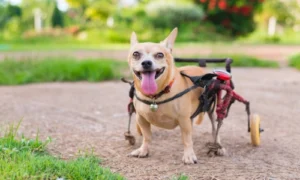 Not every dog fits into a one-size-fits-all routine, and that’s perfectly okay. Just like people, some pups need a little extra care, a little more patience, or a gentler pace. Whether your dog has mobility challenges, is vision- or hearing-impaired, manages a medical condition, or just needs a calmer environment to feel safe, their needs are valid, and deserving of thoughtful support.
The good news? Doggy daycare isn’t just for the energetic extroverts. At places like Greenlin Pet Resorts, special needs dogs can enjoy the same socialization, stimulation, and comfort as any other pup, with the right structure and compassion behind it.
What Makes a Dog ‘Special Needs’?
“Special needs” isn’t a clinical label, it simply means a dog that requires extra consideration, whether due to physical limitations, medical conditions, behavioral differences, or sensory/emotional sensitivity. This umbrella covers a wide range of pups, and no two look the same. Common examples include:
- Mobility challenges: such as arthritis, limb injuries, or paralysis
- Sensory impairments: like blindness or deafness
- Chronic medical conditions: including diabetes, epilepsy, or allergy management
- Age‑related changes: such as cognitive decline or slower recovery from activity
- Behavioral differences: including anxiety, fear‑based reactivity, or difficulties with socialization
- Post‑surgical recovery or rehabilitation: where dogs may require restricted activity or special care
These dogs might not flourish in a fast-paced, high-energy daycare, but that doesn’t mean they can’t benefit from one. The key is finding a facility that recognizes and accommodates their unique needs with a flexible, compassionate approach.
ADA Compliance & Service Animal Considerations
Under Title III of the Americans with Disabilities Act (ADA), businesses open to the public, such as pet care facilities, must allow trained service dogs to accompany individuals with disabilities in most areas where the public is allowed, even if a “no pets” policy exists. Relevant ADA points for daycare facilities:
- Staff may only ask two questions if it’s not obvious the dog is a service animal: (1) is this dog a service animal required because of a disability? and (2) what task has it been trained to perform? They cannot ask for medical documentation, proof of training, or the nature of the handler’s disability.
- Service animals must be under handler supervision, housebroken, and controlled by leash or voice commands, unless doing so prevents them from performing their tasks safely.
- Emotional support animals are not covered under the ADA unless they are trained to perform specific tasks related to a disability.
While Greenlin Pet Resorts does not serve as a public accommodation for handlers with disabilities in this context, understanding these legal standards helps ensure staff are knowledgeable and respectful of service dogs and their handlers.
Why This Matters for Special Needs Dogs in Daycare
- Some dogs with special needs may also be trained service animals. A daycare that understands ADA provisions ensures these animals are welcomed and cared for without unnecessary barriers.
- Facilities that are ADA aware tend to be better prepared for dogs with mobility or sensory impairments, as they’re more likely to provide accessible design features, like ramps, non-slip flooring, and thoughtful group placement, that benefit all special-needs pups.
- Recognizing the distinction between service dogs and other support animals helps daycare staff provide appropriate care while respecting legal boundaries and maintaining safety.
By choosing a daycare like Greenlin Pet Resorts that values these principles, you can feel confident your pup is cared for in an environment that not only understands their needs, but honors them.
How Daycare Can Help Dogs with Special Needs Thrive
Daycare isn’t just about fetch and belly rubs (though those are definitely part of the package). For dogs with special needs, a well-run daycare can provide stability, structure, and social enrichment that improves their overall quality of life. A few ways daycare can support these dogs include:
Tailored play and rest schedules
Special needs pups often benefit from shorter play sessions and more frequent breaks. At Greenlin Pet Resorts, staff are trained to observe each dog’s energy level and adjust activities accordingly, whether that means a quick game of gentle tug or a cozy nap in a quiet corner.
Supervised socialization at their pace
Dogs with anxiety or sensory impairments may need slow introductions to new friends. Instead of being thrown into the mix, they’re eased in, sometimes with one-on-one time or with calm, well-matched companions who help build trust and confidence.
Extra safety precautions
Dogs with limited mobility or medical equipment (like wheelchairs or joint braces) need spaces that are accessible and secure. Non-slip flooring, ramp access, and closely monitored play areas help prevent injury and ensure comfort.
Consistent routines
Predictability is comforting, especially for dogs who get overwhelmed easily. Daycare provides familiar faces, reliable schedules, and repetitive patterns that help reduce stress and support emotional stability.
Medication and care support
When needed, trained staff can administer medications or keep up with feeding schedules and special diets, so your pup’s care continues seamlessly while you’re away.
For dogs who need a little extra help navigating the world, the right daycare setting offers more than just supervision, it becomes a safe, supportive space where they can feel included, engaged, and genuinely cared for.
What to Look for in a Special Needs-Friendly Daycare
Not every daycare is equipped to care for dogs with special needs, and that’s okay. The key is finding one that doesn’t just allow your dog in, but truly understands how to support them with compassion, flexibility, and expertise. Here are a few things to look for when evaluating a daycare facility:
Trained and attentive staff
Ask about staff experience with mobility devices, medication routines, and behavioral accommodations. Do they know how to handle seizures, anxiety symptoms, or mobility slings? Are they certified in pet first aid? A confident “yes” to those questions is a very good sign.
Customizable care plans
No two dogs are alike, especially those with special needs. Look for a facility that creates individualized routines, including activity types, medication schedules, feeding needs, and rest periods.
Calm, adaptable environment
Tour the space if possible. Are there quieter rooms or spaces for dogs that need downtime? Is the playgroup energy level manageable? Do they separate dogs by temperament and mobility? These small details can make a big difference in your dog’s daily comfort.
Open communication
A good daycare should keep you informed about your dog’s day, whether that’s through notes, photos, or staff feedback. You should feel like a partner in your dog’s care, not just a drop-off client.
Willingness to adapt
Special needs can shift over time. A truly supportive dog daycare will be open to feedback and ready to adjust care if your dog’s condition changes or if something isn’t working as expected.
At Greenlin Pet Resorts, the focus is on meeting every dog where they are, whether that means slower intros, softer beds, or just a little extra TLC. When your dog’s needs are taken seriously, they don’t just get care, they get to thrive.
Tips for a Smooth Transition
Even in the best daycare environment, it can take time for a dog with special needs to settle in. Whether your pup is recovering from surgery, adjusting to vision loss, or just naturally cautious, a little preparation can make a big difference. Here are some tips to help set them up for success:
- Do a pre-visit together: Many facilities, including Greenlin Pet Resorts, offer orientation visits or meet-and-greets. Use this time to let your dog explore the space while you’re present. This gives them a chance to associate the new smells, sounds, and staff with a sense of safety.
- Share everything with the staff: Be open about your dog’s condition, sensitivities, and routines. From medication schedules to signs of overstimulation, the more they know, the better they can care for your dog.
- Bring familiar items: A favorite blanket, toy, or even a worn T-shirt with your scent can be incredibly soothing, especially during the first few visits.
- Start slow: If possible, begin with half-day sessions or occasional visits before transitioning to a full schedule. This allows your dog to build confidence without feeling overwhelmed.
- Stay consistent: Dogs thrive on routine. Try to keep drop-off and pick-up times consistent, and offer praise or a small reward when your dog returns home. This helps reinforce daycare as a positive experience.
- Check in and follow up: Ask how your dog did. Did they engage with others? Did they seem anxious or relaxed? Staying informed helps you advocate for your dog and make small adjustments as needed.
Transitions take time, especially for dogs who are more sensitive or dependent on routine. But with patience, encouragement, and the right support system, even the most hesitant pups can grow to love their daycare days.
Reserve Your Dog’s Spot at Greenlin Pet Resorts
Every dog deserves a space where they feel safe, supported, and seen, and that includes pups with special needs. The right daycare doesn’t just accommodate differences, it embraces them, offering personalized care and compassion for every stage of life and every unique personality.
At Greenlin Pet Resorts, we understand that dogs with special needs require more than routine, they deserve thoughtful attention, patient handling, and a team that truly listens. Whether your pup is managing a medical condition, navigating anxiety, or just needs a slower pace, we’re here to help them thrive.
Have questions or want to learn more? Call us at (717) 388-8110 to speak with a member of our team. We’ll walk you through your options and help create a plan that feels right for both you and your dog.