

Spring Cleaning Tips for Pet Owners
Quick Summary:
- Regular use of proper tools and effective cleaning techniques minimizes shedding before it spreads.
- Use enzyme cleaners and proper ventilation instead of just masking smells.
- Avoid toxic ingredients and use non-toxic, pet-safe cleaning solutions to prevent harm from residue exposure.
- Regularly sanitize bedding and other pet zones to reduce bacteria and odor buildup.
- Thorough cleaning and maintenance are part of proper preventative care to address parasites.
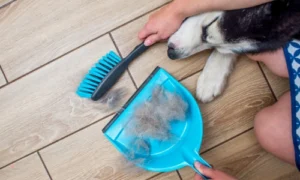 Spring is a season of renewal, and if you share your home with a dog or cat, it’s also the season of tumbleweeds made of fur, muddy paw prints, and that mysterious “pet smell” that seems to creep back no matter what you do. Spring cleaning with pets in the house comes with its own set of challenges, but it also comes with an incredible payoff: a cleaner home, healthier pets, and fewer allergens floating around for your whole family.
From shedding season to flea prevention to pet-friendly cleaning products, this guide covers everything you need to tackle spring cleaning the right way without putting your furry family members at risk.
Tip 1: Pet Hair Control
Ask any pet parent what their biggest spring cleaning frustration is, and the answer is almost always the same: hair. Everywhere. On everything. Spring is peak shedding season for most dogs and cats as they shed their heavier winter coats, and staying ahead of the fur requires the right tools and the right approach.
The Right Tools Make All the Difference
Rubber brooms and squeegees are highly effective on carpets and upholstery, as the rubber generates static that lifts embedded pet hair instead of pushing it around like traditional brooms. Lint rollers are another simple but practical tool. Keeping one in every room and in your car allows for quick touch-ups, preventing you from leaving the house covered in shed fur.
Choosing the right vacuum also matters: models designed for pet hair typically feature strong suction, a tangle-free brush roll, and a HEPA filter for improved air quality. Canister vacuums with pet-specific attachments work particularly well on stairs and upholstery, while robot vacuums help manage daily buildup between more thorough cleaning sessions.
Technique Matters
When deep-cleaning a room, always work top-down: dust and wipe surfaces before vacuuming floors, so fallen hair and debris get captured in one pass. For fabric-covered furniture, use a damp rubber glove or a damp sponge. Both are surprisingly effective at gathering hair from upholstery without any special products.
Prevention at the Source
The best way to reduce pet shedding at home is to manage it before the hair hits your furniture. Brushing your dog or cat 3–5 times per week during shedding season dramatically reduces what ends up on your couch. Brush them outside when possible to keep the loose hair out of the house entirely. For heavy shedders, a professional deshedding treatment at a grooming salon can also make a significant difference.
Tip 2: Eliminating Pet Odors
Masking pet odors with sprays and candles is a short-term fix that doesn’t address the real problem. If you want to get rid of pet smell in your house for good, you have to neutralize the odor at its source and manage the air quality that carries it.
Enzyme Cleaners vs. Standard Cleaners
Standard cleaners remove visible dirt and reduce some bacteria. Enzyme-based cleaners go further by breaking down the biological compounds in urine, feces, vomit, and saliva that cause odors at the molecular level.
For removing the smell of dog urine from carpet, upholstery, or flooring, enzyme cleaners are the only real solution. Look for products labeled “enzyme” or “bio-enzymatic” and allow them to sit for the full contact time listed on the label.
Deep Cleaning Carpets and Upholstery
Spring is the ideal time to rent a carpet cleaner or hire a professional service. Steam cleaning is especially effective because the heat kills bacteria and mites while pulling up embedded hair, dander, and odor-causing residue.
For upholstered furniture, sprinkle baking soda liberally, let it sit for 30–60 minutes, then vacuum thoroughly.
Ventilation and Air Quality
Open windows when the weather permits to flush stale, dander-heavy air out of your home. Run an air purifier with a true HEPA filter in common areas, especially where pets sleep, since HEPA filters capture 99.97% of particles as small as 0.3 microns, including the dander that’s a primary allergen trigger.
Replace your HVAC filter at the start of spring with a high-MERV-rated filter designed for homes with pets, and again in early summer if you have multiple animals. For dusting, use microfiber cloths rather than dry methods that scatter particles into the air, and don’t overlook walls and baseboards, where dander clings and accumulates.
Tip 3: Pet-Safe Cleaning Products
This is where spring cleaning gets serious for pet owners. Many household cleaners contain ingredients toxic to dogs and cats, and because pets walk on cleaned floors and then groom themselves, even residue left after a surface dries can pose a risk.
Ingredients to Avoid
- Phenols: Found in many disinfectants (including some pine-based cleaners), phenols are highly toxic to cats and can cause liver damage.
- Ammonia: Smells like urine to pets and can actually encourage dogs to re-mark areas you’ve just cleaned. It’s also a respiratory irritant.
- Bleach: While diluted bleach can be used in areas with no pet contact, concentrated bleach or bleach used near food/water areas is dangerous. Always rinse thoroughly and ventilate.
- Certain Essential Oils: Tea tree, eucalyptus, cinnamon, and citrus oils can be toxic to pets, especially cats. Be cautious with any “natural” cleaner that lists essential oils in the ingredients.
Safer Alternatives
White vinegar diluted with water is an effective, pet-friendly disinfectant for hard surfaces (though avoid it on natural stone). Baking soda is great for odor absorption.
When buying commercial cleaners, look for products specifically labeled as non-toxic cleaners for dogs and cats, and always read the full ingredient list, not just the front-of-bottle marketing.
Tip 4: Deep Cleaning Your Pet’s Zones
Your pet has a few key areas that see the most use and the most buildup. Giving each one dedicated attention during your spring clean will make a noticeable difference in both odor and hygiene.
Bedding and Blankets
Pet bedding should be washed weekly during heavy shedding season and at least every two weeks during the rest of the year. Wash in hot water (at least 140°F/60°C) to kill bacteria, dust mites, and any flea eggs.
Dry on high heat as well. For foam-insert dog beds, check the label for washability. Many covers can be removed and washed separately.
Crates and Carriers
Remove all bedding and vacuum the interior. Wipe down hard surfaces with a diluted pet-safe disinfectant and allow to dry completely before adding bedding back.
For plastic carriers, a soak in a baking soda and water solution helps neutralize embedded odors.
Litter Boxes and Pee Pads
To properly sanitize a litter box, empty it completely, wash with hot water and mild dish soap (avoid bleach around litter areas), rinse thoroughly, and dry before refilling. Do this monthly at a minimum, more often if you have multiple cats.
Replace plastic litter boxes annually. Micro-scratches from scooping harbor bacteria and odor, even after cleaning.
Pee pads should be changed immediately after use; the surrounding area should be regularly wiped with an enzyme cleaner.
Feeding Areas
Food and water bowls should be washed daily with soap and water or run through the dishwasher if they’re dishwasher-safe. Wash the floor mat or area beneath bowls weekly. Stainless steel or ceramic bowls are preferable to plastic, which is porous and can harbor bacteria over time.
Tip 5: Flea, Tick, and Parasite Prevention During Spring Cleaning
Spring cleaning is also your best opportunity to disrupt parasite lifecycles before they get established. Fleas are particularly difficult to eliminate once they’ve taken hold, because only about 5% of the flea population lives on your pet; the other 95% (eggs, larvae, and pupae) live in your home and yard.
- Wash all fabrics at high heat: This kills fleas and flea eggs at all lifecycle stages. Don’t forget pet blankets, throw pillows, and slipcovers.
- Vacuum thoroughly and frequently: Vacuuming disrupts the flea lifecycle by removing eggs and larvae from carpet and upholstery. Empty the canister outside immediately after each session.
- Clean up your yard: Fleas and ticks live in tall grass, leaf litter, and shady spots. Hose down patios and dog runs with a pet-safe outdoor cleaner, clear away winter debris, and do a thorough pass for any waste that accumulated over the colder months, as it attracts flies, creates bacteria, and gets tracked back inside. Keeping your lawn mowed reduces the parasite load your pet encounters every time they go out.
- Manage mud at the door: Keep towels and a shallow tub of water near entryways for quick paw wipes, and consider an outdoor mat to catch dirt before it comes inside.
- Talk to your vet: Spring is the right time to confirm your pet is on an appropriate flea and tick prevention protocol for your region.
Spring Cleaning Checklist for Pet Owners
Use this printable-style checklist to stay on track throughout the season.
Daily
- Wipe paws after outdoor trips
- Wash food and water bowls
- Scoop litter box
- Spot-vacuum high-traffic pet areas
Weekly
- Vacuum all floors and upholstery thoroughly
- Wash pet bedding and blankets
- Wipe down crate with pet-safe disinfectant
- Brush pet coat (3–5x/week during shedding season)
- Wipe feeding area floor and mat
- Empty and wipe vacuum canister/filter
Monthly
- Deep clean and sanitize litter box
- Wash soft toys; inspect and discard damaged ones
- Steam clean carpets or treat with enzyme cleaner
- Check and replace HVAC filter
- Check expiration dates on food, treats, and medications
- Clean outdoor areas and yard waste
- Wipe down walls and baseboards in pet areas
A Cleaner Home, Happier Pets
Spring cleaning with pets is genuinely more work, but it’s also more rewarding. When you invest the time to deep clean your home, manage shedding, eliminate odors at the source, and create a consistent maintenance routine, everyone benefits: you get a home you’re proud of, and your pets live in a cleaner, healthier environment.
At Greenlin Pet Resorts, we know how much you care about the health and well-being of your pet, and that care doesn’t stop at the door. Whether your dog or cat is staying with us or just stopping in for daycare, they return home refreshed, clean, and well-groomed.
Questions about our grooming services or springboarding availability? Get in touch with us today. We’d love to help make this spring the best one yet for you and your pet.