

Training Techniques for Reducing Jumping on Guests
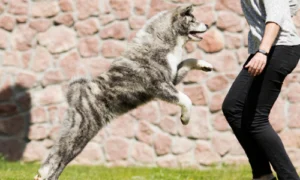 Dogs are naturally affectionate animals, often eager to express their excitement when interacting with the people they love. One common way they do this is by jumping, a behavior that may seem harmless or even endearing at first, but can quickly become problematic as dogs grow in size and strength.
While jumping is often rooted in affection, it’s not the only reason dogs greet guests this way. In the sections that follow, we’ll take a closer look at why dogs jump on people and explore effective, positive techniques to help guide them toward calmer, more appropriate greetings.
Why Do Dogs Jump on Guests?
Jumping is a natural and often instinctive behavior for dogs, especially during moments of excitement or greeting. Many dogs jump to get closer to a person’s face, as this mimics how they would greet other dogs at eye level.
While this might be endearing when they’re small, it can quickly become overwhelming, especially as they grow larger and stronger.
For some dogs, jumping is a learned behavior that was unintentionally encouraged during puppyhood. If jumping was consistently met with attention, whether through laughter, petting, or even a mild scolding, they may continue doing it because it consistently earns a response.
In other cases, jumping may be a result of overexcitement or uncertainty; the arrival of guests can be highly stimulating, and some dogs simply don’t know how to regulate that energy. Others may jump because they’re unsure of the new person in their space and are seeking reassurance through contact.
Understanding these motivations is the first step in redirecting the behavior. With patience, consistency, and the right training techniques, dogs can learn more appropriate ways to interact with visitors.
The Problem With Jumping
Although jumping may seem like a simple display of enthusiasm, it can create several challenges, both for the dog and the people around them. What begins as an innocent greeting can quickly become a source of discomfort or even risk, especially when larger or more energetic dogs are involved.
For guests, being jumped on can be startling or unwelcome. Not everyone is comfortable with dogs, and a sudden leap, even from a friendly pet, can result in scratched skin, damaged clothing, or an unpleasant experience.
For small children, elderly visitors, or individuals with mobility concerns, jumping can also pose a risk of injury.
From a behavioral standpoint, allowing or ignoring jumping sends mixed signals to your dog. If the behavior is sometimes tolerated and other times discouraged, it can be confusing and difficult for them to understand what’s expected.
Inconsistent responses may also reinforce the behavior, making it harder to correct over time.
By recognizing these potential issues, owners can take proactive steps to manage jumping before it becomes a habit. With the right techniques, dogs can learn to greet guests in a calm and respectful manner, helping ensure a safer and more enjoyable environment for everyone involved.
Effective Training Techniques to Curb Jumping
Helping your dog develop polite greeting habits takes time, patience, and consistency. Fortunately, there are several proven techniques that can redirect jumping into more appropriate behaviors.
These methods focus on setting clear expectations, reinforcing calm actions, and managing the environment in a way that supports learning.
Manage the Environment
Before working on specific commands, it’s important to prevent situations where jumping is likely to occur. When guests arrive, keep your dog on a leash, behind a baby gate, or in another room until they’re calm.
This helps prevent reinforcement of the behavior and gives you greater control during training moments.
Teach an Incompatible Behavior
One of the most effective ways to reduce jumping is to teach a behavior that cannot be done at the same time, like “sit” or “place.” Begin practicing these cues in quiet moments, then gradually use them during greetings.
Ask your dog to sit before someone enters the home, and reward them only when they remain seated. Over time, sitting becomes the expected way to interact.
Use Positive Reinforcement
Rewarding good behavior is essential. Whether it’s a calm greeting or simply keeping four paws on the floor, mark the behavior with a verbal cue like “yes” or use a clicker, followed by a treat or gentle praise.
Reinforcing calm actions helps your dog understand what earns attention.
Practice Controlled Greetings
Invite a friend or family member to help with practice sessions. With your dog on a leash, simulate a guest entering the house.
If your dog jumps, the guest should calmly turn away or step back. When the dog remains calm or sits, reward them with a treat and attention.
These short, repeated sessions help your dog associate calmness with positive interactions.
Stay Consistent Across All Interactions
Consistency is key to changing behavior. Make sure everyone in the household, and any regular visitors, understands the training approach and responds to jumping the same way.
If one person encourages jumping while others discourage it, the behavior is more likely to persist.
Provide Mental and Physical Outlets
Jumping is often a sign of excess energy. Ensuring your dog gets enough physical exercise and mental stimulation throughout the day can make a big difference.
Walks, play sessions, puzzle toys, and training games can all help your dog feel more balanced and less likely to seek attention through jumping.
What Not to Do
It’s completely normal to feel frustrated when your dog repeatedly jumps on guests, especially if it leads to awkward encounters or potential safety concerns. However, how you respond in those moments play a key role in whether the behavior improves or worsens.
While some corrective actions may appear effective in the short term, they can unintentionally create stress, confusion, or even distrust.
Here are a few common responses that may do more harm than good:
- Pushing your dog away: Although it may seem like a simple physical deterrent, pushing often reinforces the behavior. For many dogs, any form of contact, whether playful or firm, is still a form of attention. This can make them more likely to repeat the behavior, not less.
- Yelling or scolding: Raising your voice might stop your dog momentarily, but it doesn’t teach them what to do instead. In some cases, loud or angry tones can increase your dog’s arousal levels, making them more excitable or anxious. Over time, this may contribute to nervous or avoidant behavior, particularly in more sensitive breeds.
- Using your knee to block or bump the dog: This outdated method can startle or hurt your dog, even if that’s not the intent. More importantly, it can damage the trust you’ve built. Physical corrections don’t explain what’s expected and may cause your dog to associate greetings, or even guests themselves, with discomfort.
Dogs learn best when they understand what’s being asked of them. Positive reinforcement, paired with clear expectations and consistency, leads to more reliable long-term behavior.
Rather than punishing the jump, aim to redirect your dog’s energy toward calm alternatives, such as sitting or remaining on a designated mat. Creating a positive learning environment not only improves greetings, but it also strengthens the bond between you and your dog, laying the groundwork for respectful behavior across every area of their life.
Patience Makes Perfect
Teaching a dog to greet guests calmly doesn’t happen overnight. Like any behavior change, it takes repetition, consistency, and time; progress may come in small steps, especially if jumping has been a long-standing habit, but those steps are meaningful.
Some dogs may pick up new habits quickly, while others require more practice and reinforcement. It’s important to celebrate progress, no matter how small. If your dog pauses before jumping, or remembers to sit once out of every three times, that’s a sign of learning.
Stay committed, and those wins will begin to stack up.
If you’re struggling or feel stuck, don’t hesitate to seek support. A professional dog trainer can help you tailor your approach to your dog’s personality and provide insight into any underlying issues that may be contributing to the behavior.
Above all, remember that your dog isn’t being willful or disobedient. Rather, they’re simply doing what’s worked for them in the past.
With time, guidance, and plenty of encouragement, most dogs can learn to greet guests with the same joy, but a little more grace.
Let Greenlin Help Reinforce Better Greetings
Jumping may be a natural part of your dog’s excitement, but with the right guidance, it doesn’t have to be a lasting habit. Understanding the reasons behind the behavior and applying positive, consistent training methods can make a meaningful difference, not just in how your dog greets guests, but in their overall behavior and confidence.
At Greenlin Pet Resorts, we understand that training takes time, structure, and a supportive environment. That’s why our team integrates positive reinforcement techniques into our daycare programs, providing your dog with regular socialization, supervised play, and opportunities to practice good manners in real-world situations.
Whether your goal is to reduce jumping, build confidence, or simply give your pup a safe and enriching place to thrive, Greenlin is here to help. Let your dog enjoy the very best in care, play, and training.
Book a visit today or call us at (717) 388-8110 and take the first step toward better behavior, and a happier, more balanced dog.